
The volumetric flask is one of the most trusted pieces of laboratory glassware because it allows scientists and technicians to measure and prepare solutions with exceptional accuracy. Whether in research labs, pharmaceutical testing, or quality control, the volumetric flask provides the reliability needed when even a small measurement error can change results. This blog explains what a volumetric flask is, how it is used, and why it remains a must-have for laboratories worldwide.
What Is a Volumetric Flask?
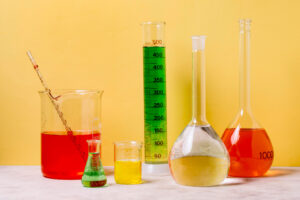
A volumetric flask is a pear-shaped glass container with a long, narrow neck and a single etched line on that neck. This line indicates the exact volume the flask can hold when filled to the mark, making the volumetric flask ideal for preparing standard solutions and performing precise dilutions. Most volumetric flasks are made of high-quality borosilicate glass, which resists heat and chemical reactions. Some laboratories also use plastic volumetric flasks when durability and break resistance are more important than heat resistance.
Design and Key Features of a Volumetric Flask
The design of a volumetric flask ensures accurate measurement. Its wide bottom provides stability and room for thorough mixing, while the slender neck minimizes the surface area at the calibration mark for easier meniscus reading. Each volumetric flask is calibrated at a specific temperature, typically 20 °C, to guarantee that the stated volume is correct when used under normal lab conditions. Class A volumetric flasks are manufactured to the tightest tolerances and are preferred for analytical work, while Class B volumetric flasks are slightly less precise but perfect for routine tasks and education.
Materials and Sizes
A laboratory can choose a volumetric flask in many sizes, from tiny 1 mL flasks for micro-analysis to large 2-liter flasks for bulk solution preparation. Borosilicate glass is the most common material because it offers excellent chemical resistance and very low thermal expansion, ensuring that the volumetric flask maintains accuracy even with temperature changes. Amber-colored volumetric flasks are available for light-sensitive chemicals, and plastic versions are helpful when breakage is a concern.
How to Use a Volumetric Flask Correctly
Proper technique is essential when working with a volumetric flask. Begin by cleaning and rinsing the flask with distilled water. If you are preparing a solution, place the solute in the volumetric flask first, then add solvent until it is about three-quarters full. Swirl gently to dissolve the solute completely. Next, add solvent drop by drop until the bottom of the meniscus rests exactly on the calibration line. Finally, stopper the volumetric flask and invert it several times to mix the solution evenly. Following these steps helps maintain the accuracy that the volumetric flask is designed to deliver.
Why Accuracy Matters in a Volumetric Flask
The main purpose of a volumetric flask is accuracy. In industries such as pharmaceuticals or food testing, even a small error in concentration can affect product safety and regulatory compliance. Because the volumetric flask is calibrated to contain a precise volume, it ensures that scientists can create solutions with exact concentrations every time. Compared with beakers or graduated cylinders, the volumetric flask consistently provides the tightest tolerance, which is why it is the first choice for critical analytical work.
Applications of a Volumetric Flask in the Laboratory
The volumetric flask is used in many areas of science and industry. In chemistry labs, it is essential for preparing standard solutions for titrations and spectrophotometry. Environmental labs rely on the volumetric flask for accurate water testing and chemical analysis. Pharmaceutical labs use volumetric flasks for precise drug formulations and quality-control tests. Teaching laboratories also depend on the volumetric flask to train students in correct measurement techniques. Its versatility makes the volumetric flask an everyday necessity wherever exact liquid measurement is required.
Cleaning and Maintenance of a Volumetric Flask
To keep a volumetric flask accurate, proper cleaning is vital. After each use, rinse the volumetric flask with distilled water to remove any chemical residues. For stubborn stains, use a mild laboratory detergent and a soft brush; avoid abrasives that could scratch the glass and affect calibration. Always inspect the volumetric flask for cracks or chips before use, as damage can compromise accuracy and safety. Store the volumetric flask upright on a padded surface to prevent breakage.
Buying Tips for a Volumetric Flask
When purchasing a volumetric flask, consider both quality and intended use. Class A volumetric flasks are the best option when you need certified precision and often come with a calibration certificate. Class B volumetric flasks are more affordable and adequate for routine tasks or educational settings. Think about the chemicals you work with and choose a volumetric flask made of borosilicate glass or chemically resistant plastic accordingly. If your work involves light-sensitive substances, an amber-colored volumetric flask is a wise investment.
Common Mistakes to Avoid with a Volumetric Flask
Even experienced technicians can make errors when using a volumetric flask. Overfilling past the calibration line, reading the meniscus from the wrong angle, or using a volumetric flask at a temperature far from its calibration point can all lead to inaccurate measurements. Never heat a volumetric flask directly, as heat can change the glass volume and ruin the calibration. By avoiding these mistakes, you maintain the reliability that a volumetric flask is known for.
The Future of Volumetric Flasks
While the basic design of the volumetric flask has remained the same for decades, innovations continue. Some modern volumetric flasks feature improved neck designs for easier meniscus reading or come with smart stoppers for better sealing. Manufacturers are also exploring sustainable materials to make the volumetric flask more eco-friendly while maintaining the accuracy that laboratories demand. Despite these updates, the core function of the volumetric flask—precise measurement—remains unchanged.
Conclusion
The volumetric flask is a cornerstone of laboratory glassware, valued for its ability to deliver exact volumes and consistent results. From academic teaching labs to high-tech pharmaceutical facilities, the volumetric flask ensures that every solution is prepared with confidence and precision. By understanding how to select, use, and care for a volumetric flask, laboratories can maintain the highest standards of accuracy in all their measurements.