

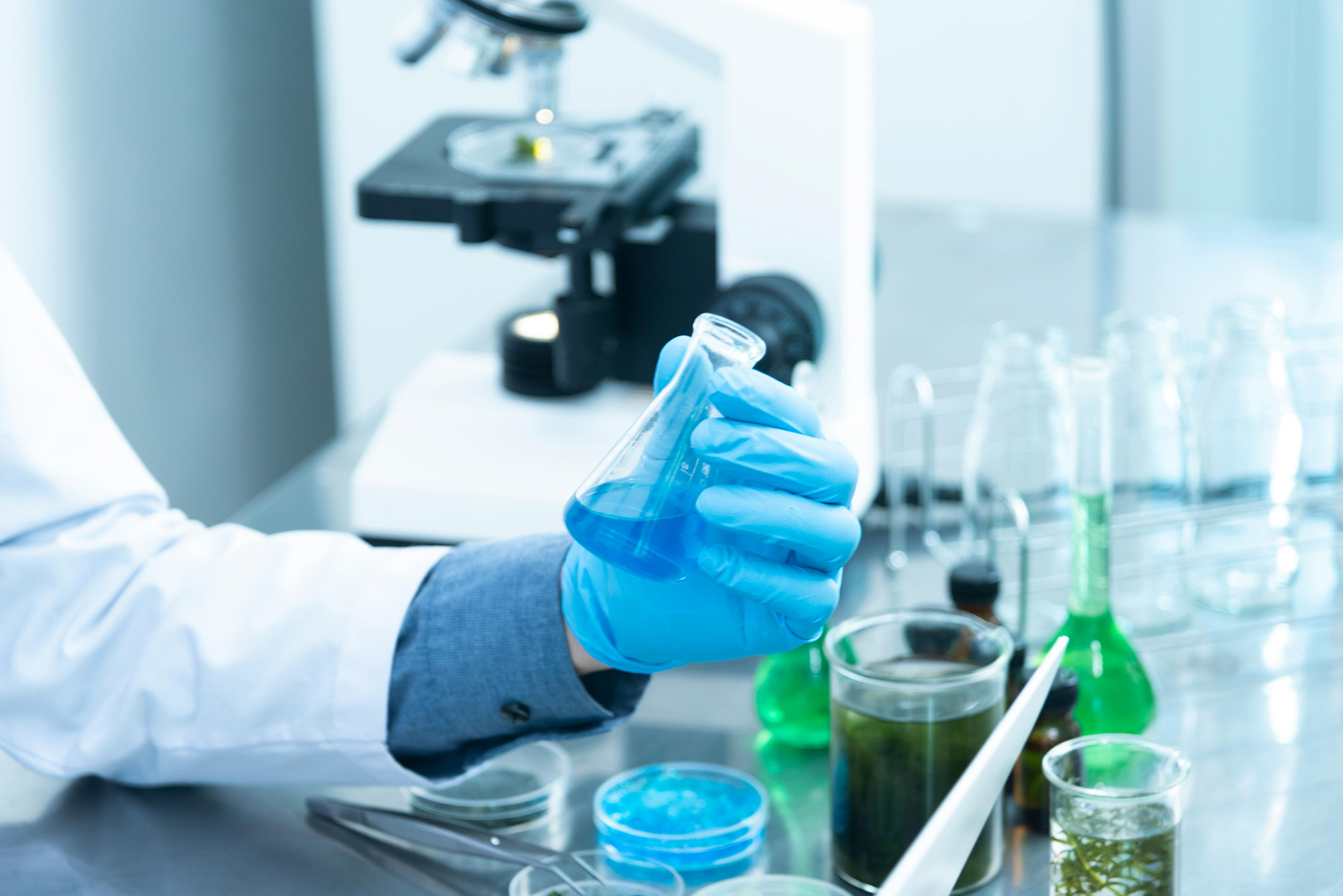
Laboratory glassware is one of the most essential components in any chemical, biological, or analytical laboratory. Whether used for heating chemicals, measuring liquids, preparing reactions, or storing samples — glassware plays a critical role in ensuring accuracy, safety, and reliability. From small-scale testing to complex scientific experiments, the right glassware directly affects the quality of research outcomes.
What is Laboratory Glassware?
Laboratory glassware refers to a wide range of glass-based instruments used for preparation, mixing, measuring, heating, and storage of chemical and biological samples. Unlike regular glass, lab glassware is made from heat-resistant and chemically stable materials like borosilicate glass, which can withstand sudden temperature changes and corrosive chemicals.
Why is Glassware Important in Laboratories?
Glassware remains a preferred material in laboratories for several scientific and practical reasons:
| Importance | Description |
|---|
| Chemical Resistance | Does not react with acids, solvents, or alkalies |
| Heat Tolerance | Can withstand high temperatures during experiments |
| Transparency | Easy to observe reactions and color changes |
| Accuracy | Precise measurement markings for reliability |
| Reusability | Can be sterilized and reused, reducing lab costs |
How to Choose the Right Laboratory Glassware
Selecting the right glassware depends on the nature of the experiment. Here are key factors to consider:
Purpose of Use – Measuring vs. heating vs. storing
Accuracy Required – Analytical grade or general purpose
Chemical Compatibility – Strong acids, bases, or solvents
Heat Resistance – Need for heating or autoclaving
Volume Capacity – Size suitable for sample quantity
For example, volumetric flasks are ideal for accurate solutions, while beakers are better suited for rough mixing and heating.
Maintenance & Cleaning Best Practices
Proper care of laboratory glassware improves durability, accuracy, and safety:
- Rinse immediately after use to prevent residue buildup
- Use soft brushes to avoid scratches
- Sterilize using hot air or autoclave when needed
- Avoid sudden temperature shocks
- Inspect regularly for cracks or star-shaped fractures
- Store in dust-free shelves or glassware cabinets
Regular maintenance ensures precise results and longer lifespan of equipment.
Common Types of Laboratory Glassware & Their Uses
1. Beakers
Used for mixing, stirring, and heating liquids. Their wide mouth makes them easy to pour and measure roughly.
2. Flasks (Erlenmeyer & Volumetric)
Erlenmeyer flasks are ideal for mixing and boiling without spillage.
Volumetric flasks provide highly accurate liquid measurement.
3. Test Tubes
Used for small chemical reactions, sample tests, and heating substances over a flame.
4. Graduated Cylinders
Designed for accurate measurement of liquid volume.
5. Pipettes & Burettes
Used in titration and analytical chemistry to transfer small quantities of liquid precisely.
6. Watch Glasses
Used for evaporation, covering beakers, or weighing samples.
Safety Tips When Using Laboratory Glassware
- Always inspect glassware for cracks before use
- Use heat-resistant gloves when handling hot containers
- Clean thoroughly after each experiment to prevent contamination
- Use proper clamps and stands when heating liquids
- Avoid sudden cooling of hot glassware to prevent breakage
Conclusion
Laboratory glassware is the backbone of scientific research and experimentation. Its durability, precision, and versatility make it indispensable in every lab setting—from schools and universities to research institutes and medical facilities. The careful selection and proper handling of glassware not only improve experimental accuracy but also promote laboratory safety and efficiency.

