

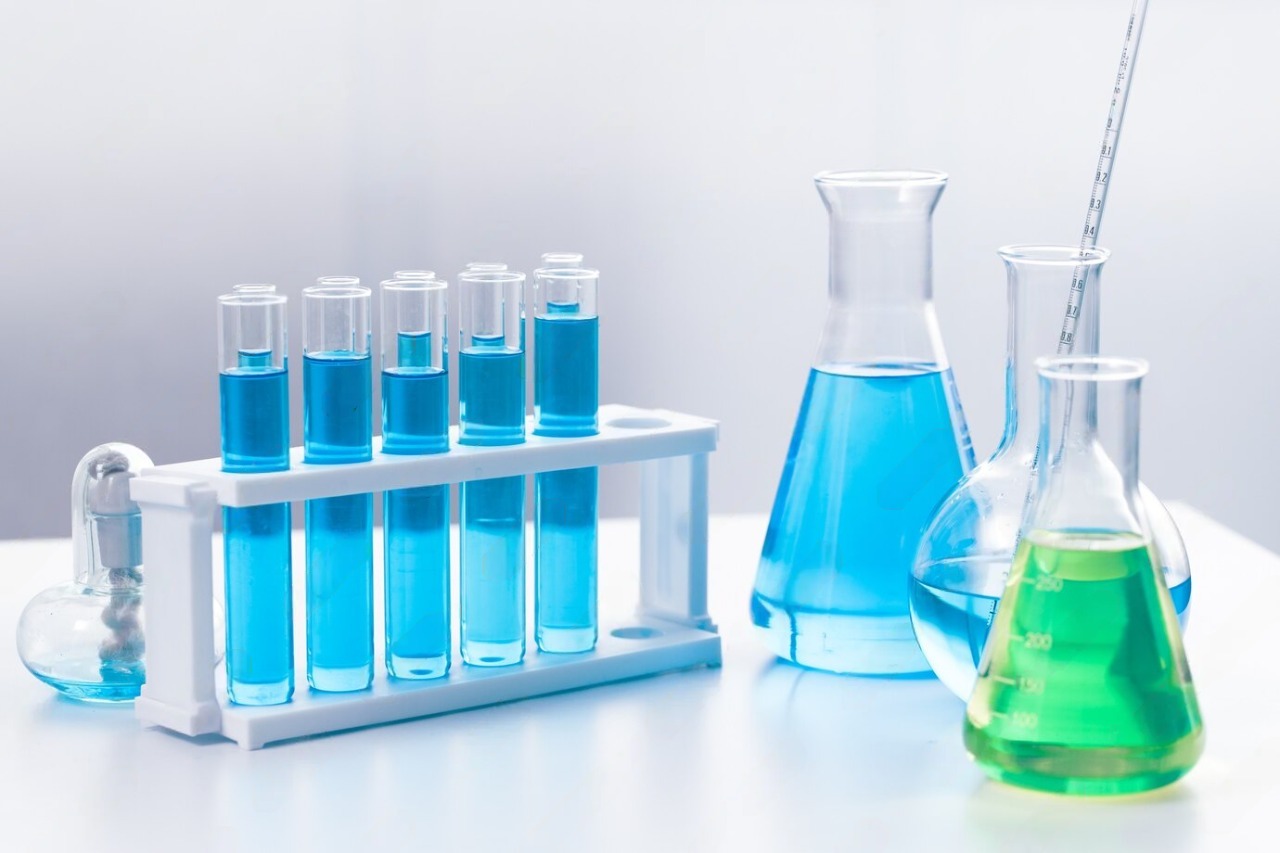
In UK laboratories, high-quality laboratory glassware is indispensable for research, education and industry. As one supplier observes, “every laboratory requires the use of glassware” – from simple beakers to complex distillation apparatuscamlab.co.uk. Glass is chosen because it is chemically inert and can withstand extreme temperatures; Fisher Scientific highlights that glass “is chemically and biologically inert and resistant to high temperatures”fishersci.co.uk. This means UK labs rely on durable, precise glassware to keep experiments accurate and safe. The importance of laboratory glassware in UK research underscores why choosing reliable suppliers is so vital.
Modern UK laboratory reactor station fitted with glass vessels. UK-based manufacturers emphasize domestic innovation. For example, Radleys notes that for over 50 years it has produced “high quality chemistry tools” for labs across the UKradleys.com. Many of these tools – such as jacketed reactors, condensers and flasks – incorporate precision glassware components. By designing and glass-blowing in-house, companies like Radleys ensure that laboratory glassware in the UK market keeps pace with the latest safety and performance standards.
Laboratory apparatus including borosilicate condensers and stirrers. UK scientists rely on glassware because of these materials’ unique properties. For instance, clear glass condensers and flasks let researchers visually monitor reactions while safely heating or cooling samples. As noted above, glass’s inertness means it rarely reacts with chemicalsfishersci.co.uk. This is why glassware (rather than plastics) remains the standard – it can be sterilized and reused. The result is that laboratory glassware in UK labs continues to be a trusted, long-lived investment despite advances in plasticware alternatives.
Key Materials and Standards
Most UK lab glassware is made from borosilicate (“hard” glass), prized for its thermal and chemical durability. UK suppliers often recommend choosing borosilicate glass “for superior thermal and chemical resistance, ideal for thermal shock and reactive substances”smithscientific.com. Borosilicate 3.3 (brands like Duran or Pyrex) will withstand boiling and strong solvents. Cheaper soda-lime glass (used in some bottles and dishes) is only for low-risk tasks. By favoring borosilicate, UK laboratories meet high safety and performance standards: the glass won’t crack during sudden temperature changes or corrode over time. These material standards are a key part of why UK labs insist on quality laboratory glassware in UK orders.
Leading UK Glassware Manufacturers
Several British firms still manufacture lab glassware domestically. For example, Scientific Glass Laboratories (SGL) in Staffordshire is “one of Britain’s leading manufacturers of laboratory glassware”scientificglass.co.uk. SGL supplies both standard beakers and entirely custom, bespoke apparatus. The company advertises “fast and efficient delivery service of quality laboratory glass products” to labs across the UKscientificglass.co.uk, and notes its expertise in “bespoke, custom made laboratory glassware” for commercial, pharmaceutical and educational usersscientificglass.co.uk. Similarly, Hamilton Laboratory Glass of Margate (Kent) is a family-run UK business with over 50 years’ experience. Hamilton produces high-quality borosilicate glassware (and even complete water distillation stills) “for laboratory, medical and educational use”hamiltonlabglass.com. These British manufacturers emphasize skilled glassblowing and British-made quality – a clear sign of the enduring tradition of laboratory glassware in UK manufacturing.
Major UK Suppliers and Distributors
Beyond makers, UK distributors ensure a vast range of glassware is available on demand. Smith Scientific (Edenbridge, Kent) is the exclusive UK distributor for many international brands (e.g. Simax, Kimble, Glassco)smithscientific.com. Smith highlights its large stock and fast service, advertising “over 10,000 product lines, always in stock” and next-day deliverysmithscientific.com. In practice, this means UK labs can quickly order flasks, bottles and specialized glass components without long lead times. Smith also emphasizes quality, proclaiming “we deliver tried and tested high quality products that we are proud of”smithscientific.com.
Similarly, Camlab (Cambridge) is a long-established UK supplier. Camlab has been providing lab equipment globally for over 70 yearscamlab.co.uk, and it maintains a warehouse of more than 60,000 items (with 10,000 in stock at any time)camlab.co.uk. Their catalog covers glassware and plastics for everything from simple testing to advanced industrial research. By stocking so widely, Camlab ensures that even niche items (specialty flasks, vacuum tubes, filters etc.) are available to UK scientists. Together, these distributors ensure a broad laboratory glassware in UK market – combining UK stock-holding with premium global products.
UK Market Trends
The UK laboratory glassware market is healthy and growing. Industry analysts project the UK market will reach about $61 million by 2030 (with a CAGR of ~3.5%)grandviewresearch.com. This growth reflects rising research and industrial activity in pharmaceuticals, biotech and education, all of which consume glassware. For example, university labs and pharma R&D departments keep expanding, driving continual demand for new flasks and adapters. These market trends explain why many companies – domestic and international – compete in the UK. Overall growth underlines that laboratory glassware in UK remains a vital sector, with suppliers continually improving products and services to meet evolving needs.
Choosing a UK Labware Supplier
When UK labs source glassware, several factors determine the best supplier. Product range and availability are key: companies with large stock (Smith, Camlab) can fulfill orders immediately, while boutique glassblowers (SGL, Hamilton) can supply unique sizes or custom assemblies. Quality is critical: purchasers should verify that glassware meets standards (borosilicate specification, certification, etc.) and comes from reputable brands. Service and support matter too – for instance, SGL offers prompt glassware repairs and modifications if something breaksscientificglass.co.uk. Delivery terms and stock levels (e.g. “next-day delivery” promisessmithscientific.com) are also important for urgent needs. Environmental and safety policies are increasingly featured; many UK suppliers advertise ISO quality and green initiatives. In summary, UK labs compare suppliers on material quality, customization, inventory size and after-sales support. The best pick depends on the lab’s needs – routine glassware may come from a big distributor, while highly specialized rigs might be made by a UK glassblower.
Conclusion
In summary, UK scientists have many strong choices for laboratory glassware in UK. Local manufacturers like SGL and Hamilton bring decades of experience and even offer bespoke services, while distributors such as Smith Scientific and Camlab maintain huge catalogues and fast delivery. All emphasize quality: for example, Smith boasts that it “delivers tried and tested high quality products”smithscientific.com and SGL is nationally recognized as a leading glassware makerscientificglass.co.uk. By comparing offerings – such as range, customization, and service levels – UK laboratories can select the glassware suppliers that best suit their requirements. With a combination of skilled local craftsmanship and global-brand supply, the laboratory glassware market in the UK is well-equipped to meet every research and industrial needsmithscientific.com scientificglass.co.uk.