
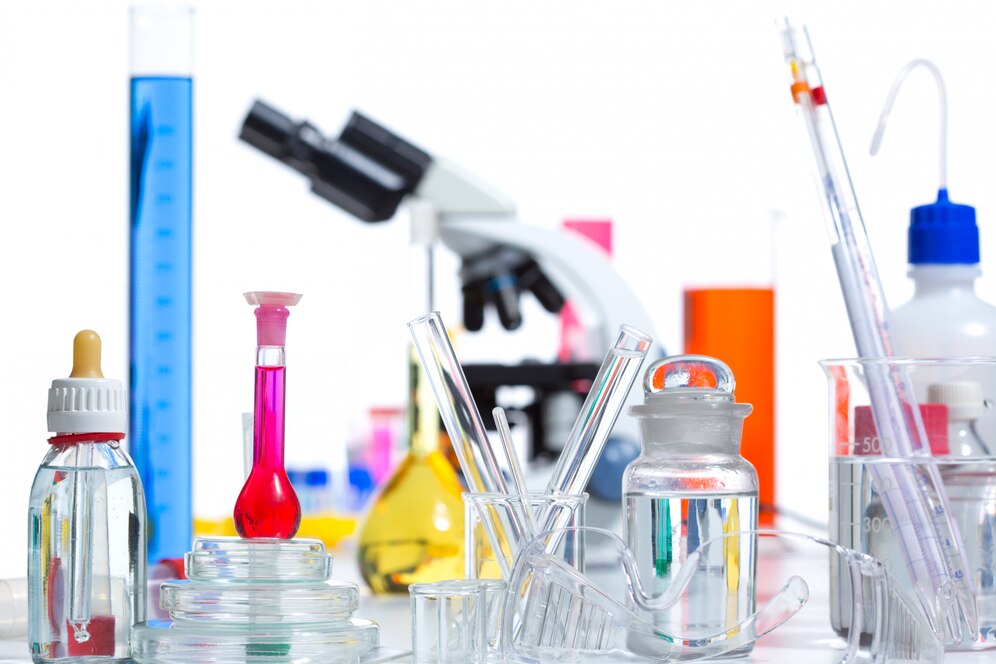
Walk into any laboratory in the world, and you’ll see one thing in common — glassware. Beakers, flasks, test tubes, and pipettes line the benches, quietly supporting the experiments that push science forward. Though they may seem like simple tools, laboratory glassware forms the very foundation of modern research. Every accurate measurement, every controlled reaction, and every reliable result begins with the right piece of glass.
What Is Laboratory Glassware?
Laboratory glassware refers to a wide range of specially designed glass instruments used in chemical, biological, and analytical work. Unlike ordinary glass, these tools are made from borosilicate glass — a material known for its exceptional strength, heat resistance, and chemical stability. It can withstand high temperatures, resist corrosion from strong acids or alkalis, and endure sudden temperature changes without cracking. This makes it ideal for scientific environments where both precision and durability are essential.
Why Glassware Matters in Research
The importance of glassware goes far beyond being a simple container. It plays a crucial role in ensuring accuracy, safety, and reproducibility in experiments. Because glass does not react with most chemicals, it preserves the purity of samples and prevents contamination. Its transparency allows scientists to clearly observe color changes, precipitates, or reactions as they occur. Most importantly, laboratory glassware is calibrated for precision, enabling researchers to measure and transfer liquids accurately — a vital aspect of any reliable experiment.
Glassware also supports sustainability in the lab. Unlike disposable plasticware, it can be sterilized, reused, and maintained for years. This not only reduces waste but also lowers operational costs over time.
Choosing the Right Glassware
Selecting suitable glassware depends largely on the purpose of the experiment. For instance, a volumetric flask is designed for preparing precise solutions where accuracy is critical, while a beaker is better suited for mixing or heating liquids during preliminary stages of an experiment. Similarly, test tubes are used for smaller reactions or qualitative testing, and graduated cylinders are preferred when measuring liquid volumes with accuracy.
Before choosing, researchers must consider factors such as chemical compatibility, the need for heat resistance, and the level of precision required. Understanding these aspects ensures not only safety but also the integrity of experimental results.
Caring for Laboratory Glassware
Even the highest quality glassware loses its reliability if not handled properly. Routine cleaning and careful maintenance extend its life and preserve measurement accuracy. Glassware should be rinsed immediately after use to prevent residue buildup and cleaned with soft brushes that do not scratch the surface. Sterilization using an autoclave or hot air oven helps eliminate contamination, especially in microbiological or pharmaceutical labs.
Sudden temperature changes should be avoided — hot glass placed on a cold surface can easily crack. Regular inspection for chips or star-shaped fractures is also essential, as even minor damage can compromise safety and precision. Finally, storing glassware in clean, dust-free cabinets keeps it ready for accurate use at any time.
Safety in the Laboratory
Working with glass demands care and respect. Before each use, glassware should be checked for cracks or damage. When heating, it’s best to use appropriate supports and heat-resistant gloves. Hot glass looks identical to cold glass, so handling it cautiously prevents burns and accidents. Proper cleaning after every experiment not only ensures safety but also maintains consistency in future tests. A safe laboratory is an efficient one — and good glassware practices lie at the heart of that safety.
Innovations in Laboratory Glassware
With advancements in science and technology, laboratory glassware has evolved to meet the growing demands of modern research. Today, many laboratories use glassware integrated with digital sensors for measuring temperature, pressure, and volume with greater precision. Some manufacturers have also introduced chemically coated glass to improve resistance against aggressive reagents and staining. These innovations not only enhance performance but also simplify workflows, making experiments more efficient and reliable.
Sustainability and Future Trends
As laboratories worldwide move toward eco-friendly operations, the focus on sustainable glassware is growing rapidly. Manufacturers are now producing recyclable, lead-free, and energy-efficient glass products that reduce environmental impact without compromising quality. Additionally, many research facilities are adopting cleaning and reconditioning systems to extend the life of their glassware. These initiatives reflect a broader shift in the scientific community — toward responsible, long-term practices that protect both research integrity and the planet.
Conclusion
From classrooms to cutting-edge research facilities, laboratory glassware continues to be an indispensable part of scientific discovery. Its combination of durability, transparency, and precision makes it the preferred material for countless experiments. More than just tools, these glass instruments represent trust — trust that every reaction, every measurement, and every result will stand up to scientific scrutiny.
When handled with care and chosen wisely, laboratory glassware not only supports innovation but also defines the standard of excellence every researcher strives for.