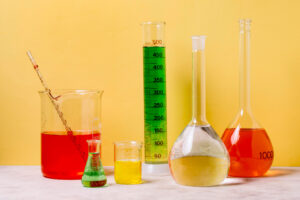

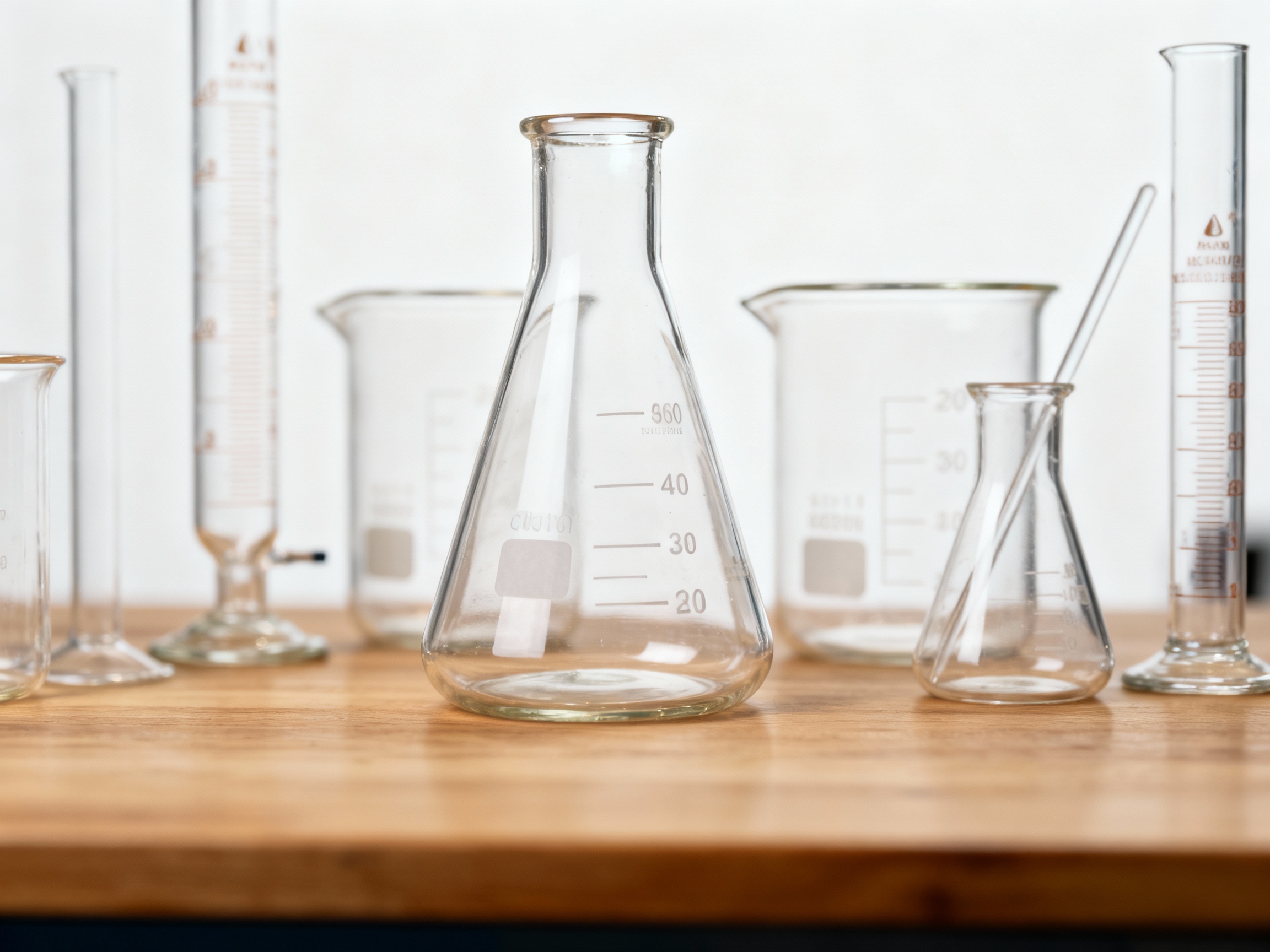
Laboratory glassware underpins all scientific research, enabling precise measurement, safe containment, controlled reactions, and reproducible results. The correct selection and maintenance of glassware are critical for producing reliable data, maintaining laboratory safety, and supporting the advancement of science.
Introduction to Laboratory Glassware
Glassware is indispensable in science labs globally owing to its versatility, chemical resistance, and ability to endure extreme temperatures. Instruments made from borosilicate glass, such as flasks and beakers, allow scientists to execute sensitive experiments and monitor reactions with clarity and precision.
The Significance of Laboratory Glassware
Choosing and using proper glassware impacts more than just the accuracy of measurements; it also affects experimental safety, repeatability, and laboratory efficiency. Beakers, flasks, and graduated cylinders are found in every lab and serve essential functions such as measuring, mixing, holding, and heating chemicals.
Types of Laboratory Flasks
Volumetric Flasks
Design: Characterized by a flat bottom, long neck, and a single graduation mark.
Purpose: Used for preparing and measuring exact volumes—particularly standard solutions and reagents where precision is vital.
Material: Generally made of borosilicate glass, which is resistant to heat and chemicals.
Sizes: Available from 25 ml to 1L or more, with Class A for highest accuracy and Class B for routine work.
Conical (Erlenmeyer) Flasks
Design: Conical body, flat bottom, and narrow neck, facilitating mixing by swirling and minimizing spills.
Purpose: Ideal for mixing liquids, heating solutions, titrations, and storage. The shape reduces evaporation and makes these flasks easy to handle.
Flexibility: Suitable for both qualitative and quantitative experiments but not intended for high-precision measurements.
Measuring (Graduated) Flasks
Design: Graduated markings along the neck for approximate measurements of liquids.
Purpose: Used in situations where multiple measurements or dilutions are needed, offering convenience but less precision than volumetric flasks.
Usage: Common in educational laboratories for routine mixing and solution preparation.
Additional Essential Glassware
Beyond flasks, laboratories use a range of glassware for specialized tasks:
Beakers: Cylindrical, used for mixing, heating, and storing liquids.
Test Tubes: For holding, observing, or mixing small sample volumes.
Pipettes and Burettes: Pipettes transfer precise volumes; burettes are used for titration to deliver accurate measurements drop by drop.
Graduated Cylinders: For measuring liquid volumes more precisely than beakers and flasks.
Material and Maintenance
Borosilicate Glass: Most lab glassware is made from borosilicate due to its resistance to temperature changes, chemicals, and mechanical stress.
Care and Cleaning: Proper cleaning involves washing with mild soap, rinsing with distilled water, and regular inspection for chips or cracks to prevent contamination or accidents.
Choosing The Correct Glassware
When choosing laboratory glassware, consider:
- The type of experiments being performed (precision requirements)
- Volume and shape needed
- Chemical compatibility and resistance
- Durability and cost
- Trusted suppliers that provide robust quality assurance
Conclusion: Laboratory Glassware for Accurate Science
Laboratory glassware, especially flasks, is foundational to modern scientific practice. High-quality glassware ensures accuracy, safety, reliability, and reproducibility across chemical, biological, and industrial labs. Whether preparing a solution, conducting titrations, or simply storing chemicals, the right choice of flask or other glassware is critical for both research success and lab safety.