
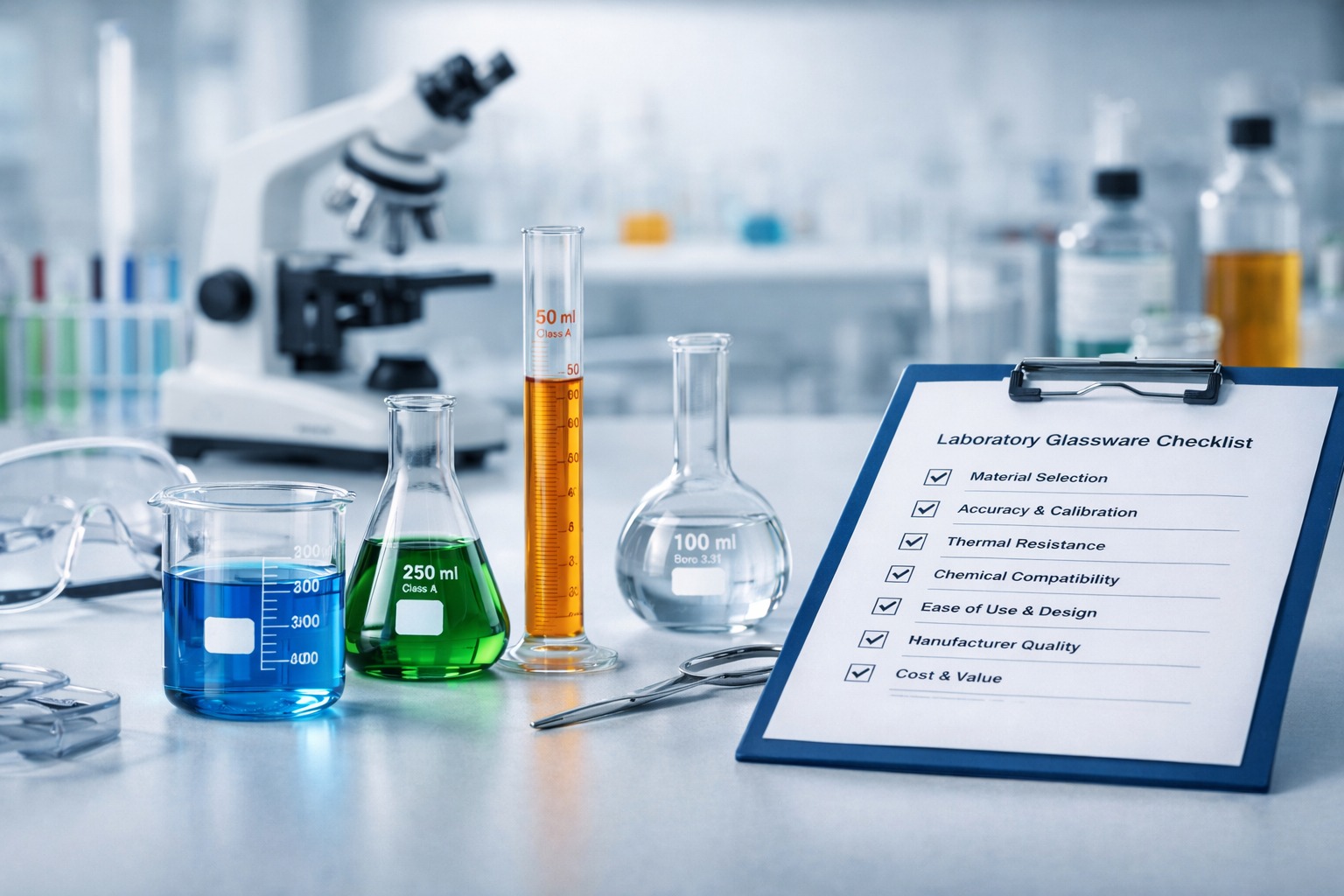
Choosing the right laboratory glassware is essential for ensuring accuracy, safety, and long-term performance in any scientific setup. Whether in pharmaceutical laboratories, research institutions, educational facilities, or chemical industries, the quality of glassware directly impacts experimental results and operational efficiency. Poor-quality or unsuitable glassware can lead to contamination, measurement errors, and frequent replacements, ultimately increasing operational costs. Therefore, understanding the critical factors before making a purchase decision is vital.
Material Selection: Why Borosilicate Glass is Preferred
The type of glass used in manufacturing plays a significant role in performance and durability. Borosilicate glass is widely recognized as the most reliable material for laboratory applications due to its low thermal expansion, high resistance to thermal shock, and excellent chemical durability. It can withstand repeated heating, cooling, and exposure to aggressive chemicals without cracking or deforming.
While soda-lime glass may be more economical, it is generally suitable for non-critical applications and storage purposes. For high-temperature or specialized optical applications, quartz glass may be required. However, for most laboratory environments, borosilicate glassware offers the best balance between strength, precision, and long-term value.
Accuracy and Calibration Standards
Measurement precision is a critical factor in laboratory operations. Volumetric glassware is typically categorized into Class A and Class B standards. Class A glassware provides higher accuracy and is recommended for analytical testing, calibrations, and research applications where precise measurements are essential. Class B glassware, while reliable, is more appropriate for routine laboratory work where extreme precision is not mandatory.
Selecting the correct class ensures consistent results, regulatory compliance, and scientific reliability, particularly in pharmaceutical and quality control laboratories
Thermal and Mechanical Durability
Laboratory environments often expose glassware to high temperatures, direct flame, autoclaving, and rapid cooling processes. High-quality laboratory glassware must withstand thermal shock without compromising structural integrity. Borosilicate glass is specifically engineered to handle such stress, making it suitable for demanding laboratory procedures.
In addition to thermal resistance, mechanical strength is important to reduce breakage during daily handling. Durable glassware minimizes downtime, replacement costs, and safety risks within the laboratory.
Chemical Resistance and Compatibility
Laboratories work with a wide range of acids, alkalis, solvents, and reactive substances. Although glass is generally resistant to many chemicals, prolonged exposure to highly corrosive materials can cause surface damage or etching. Choosing chemically stable glassware ensures longevity and protects sample integrity.
Reviewing chemical compatibility data before procurement helps laboratories avoid premature wear and maintain accurate experimental conditions over time.
Design, Usability, and Workflow Efficiency
The design of laboratory glassware significantly affects usability and productivity. Clear, permanent graduations improve readability and measurement accuracy. Well-balanced bases and ergonomic shapes enhance safe handling during routine procedures. Compatibility with laboratory stands, clamps, and connectors also contributes to smoother workflow integration.
Efficiently designed glassware reduces operator fatigue and lowers the chances of accidental spills or errors in busy laboratory environments.
Manufacturer Quality and Certification
Selecting glassware from a reputable and certified manufacturer is equally important. An ISO-certified production process ensures consistent dimensional accuracy, strict quality control, and compliance with international standards. Reliable manufacturers maintain traceability and perform thorough inspections to guarantee product reliability.
Consistency in manufacturing standards is especially critical for laboratories operating under regulatory frameworks in pharmaceutical, chemical, and research sectors.
Cost Considerations and Long-Term Value
While budget constraints are a practical consideration, laboratories should focus on long-term value rather than initial cost alone. High-quality laboratory glassware may involve a slightly higher upfront investment, but it offers extended service life, improved precision, and reduced breakage rates. Over time, this leads to lower replacement costs and improved operational efficiency.
Investing in premium laboratory glassware ultimately supports accuracy, safety, and sustainable laboratory performance.
Conclusion
Choosing the right laboratory glassware requires careful evaluation of material composition, accuracy standards, durability, chemical resistance, ergonomic design, and manufacturer credibility. By prioritizing these essential factors, laboratories can ensure reliable results, enhanced safety, and cost-effective long-term operations.
Making an informed decision not only improves laboratory efficiency but also strengthens overall quality standards in scientific and industrial environments.